

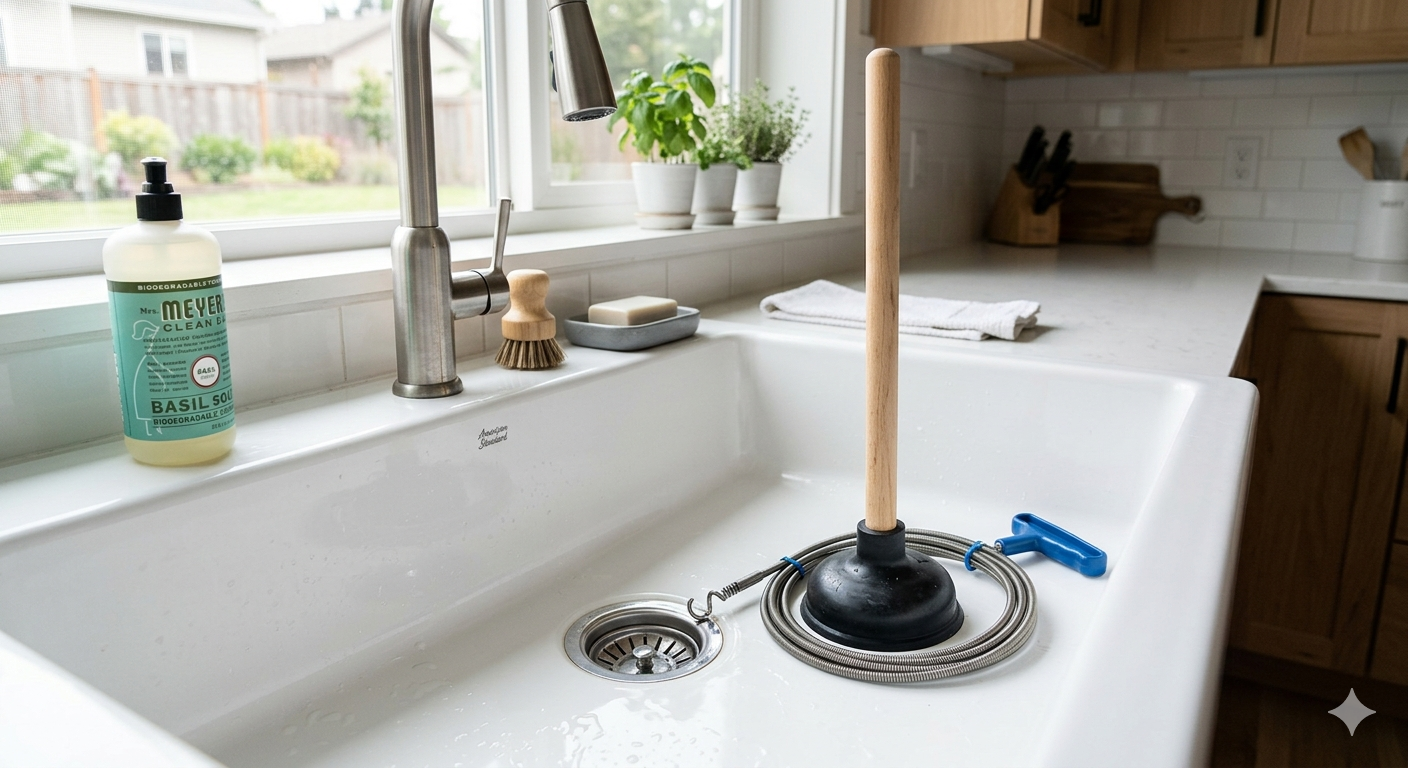
Dealing with a clogged drain ranks among the most frustrating household problems, and many people instinctively reach for harsh chemical drain cleaners promising quick solutions. However, these products often create more problems than they solve, damaging pipes, harming the environment, and posing serious health risks to anyone handling them. Learning how to unblock a drain without chemicals offers safer, more effective alternatives that protect your plumbing system while clearing blockages just as thoroughly as toxic products.
Chemical drain cleaners contain highly corrosive substances that generate heat to dissolve clogs, but this same heat can damage pipe joints, degrade PVC plumbing, and corrode metal pipes over time. The toxic fumes irritate eyes and respiratory systems, and accidental skin contact causes painful burns. Environmental concerns add another layer of problems as these chemicals eventually enter water systems. Fortunately, mechanical methods and natural solutions clear most drain blockages effectively without any of these drawbacks, saving you money while protecting your home and health.
Understanding What Causes Most Drain Blockages
Before exploring how to unblock a drain without chemicals, understanding common blockage causes helps you choose the most effective method and prevent future clogs. Kitchen sink drains typically clog from accumulated grease, food particles, and soap residue that build up gradually on pipe walls, narrowing the passage until water flows slowly or stops completely. Grease is particularly problematic because it’s liquid when hot but solidifies as it cools, creating sticky deposits that trap other debris.
Bathroom drains face different challenges, with hair combining with soap scum to form tough clogs that resist simple flushing. A single shower can release dozens of hairs that intertwine and catch on drain components, accumulating over weeks until they form substantial blockages. Toilet clogs usually result from excessive toilet paper, inappropriate items being flushed, or objects accidentally dropped into the bowl. Understanding your specific blockage type helps you select the most appropriate chemical-free clearing method, increasing your success rate and minimizing wasted effort on techniques unsuited to your particular problem.
Using a Plunger Effectively to Clear Blockages
The humble plunger represents the first tool you should try when learning how to unblock a drain without chemicals, yet many people use it incorrectly and give up before achieving results. For sink drains, you need a cup plunger with a flat bottom edge that creates a seal around the drain opening. Fill the sink with enough water to cover the plunger cup completely, as water transmits the pressure you create much more effectively than air alone.
Position the plunger directly over the drain opening and press down firmly to create a tight seal, then pump vigorously up and down about fifteen to twenty times. The key is creating alternating pressure and suction that dislodges the blockage and forces it through the pipe. Don’t break the seal during pumping, and maintain forceful, rapid strokes rather than gentle movements. After vigorous plunging, quickly pull the plunger away and check if water drains. Repeat the process several times if necessary, as stubborn clogs may require multiple attempts before breaking free. For double sinks, plug the second drain completely with a wet cloth while plunging the blocked drain, preventing air from escaping through the alternate opening and reducing the pressure needed to clear the clog.
The Baking Soda and Vinegar Method
One of the most popular natural approaches to how to unblock a drain without chemicals combines baking soda and vinegar to create a fizzing reaction that can break up certain types of clogs. This method works best on minor blockages and provides excellent regular maintenance to prevent future problems. Start by removing any standing water from the sink or tub, as you want the baking soda and vinegar to reach the clog directly rather than being diluted in pooled water.
Pour about half a cup of baking soda directly into the drain opening, using a spoon or funnel to ensure it goes down rather than spreading around the sink. Follow immediately with one cup of white vinegar, and quickly cover the drain opening with a plug or wet cloth to contain the fizzing reaction within the pipes where it can work on the blockage. The chemical reaction between the alkaline baking soda and acidic vinegar creates carbon dioxide bubbles that agitate debris and help break apart soft clogs. Let this mixture work for at least thirty minutes or even several hours for stubborn blockages. After waiting, flush the drain with very hot water for several minutes to wash away loosened debris. While this method doesn’t match the clearing power of mechanical tools for serious clogs, it offers a gentle, safe option for minor slowdowns and regular preventive maintenance.
Manual Drain Snake Techniques for Stubborn Clogs
When simpler methods fail, understanding how to unblock a drain without chemicals often requires using a drain snake or auger, the most effective mechanical tool for serious blockages. These flexible metal cables reach deep into pipes to physically break up or retrieve clogs that plungers cannot affect. Hand-crank drain snakes for home use cost between fifteen and forty dollars at hardware stores and handle most common household drain problems effectively.
To use a drain snake, feed the cable end into the drain opening and advance it slowly while turning the handle clockwise. You’ll feel resistance when the snake reaches bends in the pipe or encounters the blockage. When you hit the clog, push and twist more forcefully to either break through it or hook onto it so you can pull it back out. Continue feeding the snake and rotating until you’ve worked through the entire blocked section. For bathroom sink drains, you may need to remove the pop-up stopper assembly first to access the drain properly. With tub drains, removing the overflow cover and feeding the snake through the overflow opening often provides better access to clogs than working through the drain itself. After snaking, run hot water for several minutes to flush away debris you’ve loosened. The process can be messy, so keep towels handy and wear gloves, but it clears stubborn clogs that resist other chemical-free methods.
Boiling Water for Grease and Soap Clogs
Sometimes the simplest approach proves most effective, and learning how to unblock a drain without chemicals includes the basic technique of using boiling water to dissolve grease-based clogs. This method costs nothing, poses no risk to pipes when done correctly, and works surprisingly well for kitchen drains clogged with cooking oils and fats that have solidified in the pipes.
Boil a full kettle or large pot of water and carefully carry it to the clogged drain. Pour the boiling water directly into the drain in stages rather than all at once, allowing about five to ten seconds between pours for the heat to work on the clog. The extremely hot water melts grease deposits and liquefies soap scum, allowing these substances to flow through the pipes rather than clinging to walls. For best results, repeat the process two or three times. This method works particularly well as preventive maintenance for kitchen sinks, as a weekly boiling water flush keeps grease from accumulating to problem levels. Important caution: never use boiling water on toilets or drains connected to PVC pipes, as the extreme heat can damage these materials. For PVC plumbing, use very hot tap water instead of boiling water to avoid potential pipe damage while still benefiting from heat-based clog clearing.
Wet and Dry Vacuum Approach for Difficult Blockages
An unconventional but effective technique in how to unblock a drain without chemicals involves using a wet-dry vacuum to create powerful suction that pulls clogs free. This method works particularly well for blockages caused by solid objects or compact debris that other techniques cannot easily break apart or dissolve. You need a shop vacuum specifically designed to handle liquids, as regular household vacuums will be damaged by water.
Set the vacuum to liquid mode and create the tightest seal possible over the drain opening. You may need to use the vacuum’s hose without attachments, or fashion a seal with an old plunger head or wet towels packed around the hose. Turn the vacuum to its highest setting and let it run for about a minute, creating strong suction that can pull clogs back up through the drain. The method doesn’t always work on first attempt, but when it does, it can remove blockages that resist all other approaches. After using the vacuum, flush the drain with hot water to clear any remaining debris. This technique shines for retrieving objects accidentally dropped down drains, such as jewelry or small toys, and for clearing clogs in floor drains and bathtub drains where other tools struggle to gain purchase.
The Wire Coat Hanger Method for Hair Clogs
For bathroom drain blockages caused primarily by hair, understanding how to unblock a drain without chemicals includes the simple wire coat hanger technique that costs nothing and often works remarkably well. Straighten a wire coat hanger but leave a small hook at one end, creating a long, flexible tool that can navigate drain curves while snagging hair clogs.
Remove the drain cover or stopper to access the drain opening, then carefully feed your makeshift tool down into the pipe. The hook end should go in first so it can catch on hair and debris. When you feel resistance indicating you’ve reached the clog, twist and maneuver the wire to hook into the hair mass, then slowly pull it back up. You’ll likely retrieve a disgusting clump of hair, soap scum, and other debris, but that’s exactly what was blocking your drain. The process may require several insertions from different angles to remove all the clog material. For pop-up sink stoppers, unscrew the nut holding the horizontal pivot rod under the sink, pull out the rod, and the stopper will lift free, giving you clear access to the drain. This method provides such effective results for hair clogs that many people keep a straightened hanger near bathroom sinks as their first-line defense against slow drains.
Natural Enzyme Drain Cleaners as Gentle Alternatives
While exploring how to unblock a drain without chemicals specifically means avoiding harsh synthetic products, natural enzyme-based drain cleaners offer a middle ground worth considering. These biological products use bacteria and enzymes that literally digest organic matter causing clogs, including grease, hair, food particles, and soap scum. Unlike chemical cleaners, enzyme products work slowly and gently without generating heat or toxic fumes.
Enzyme drain cleaners take longer to work than mechanical methods, typically requiring overnight application or even several treatments for established clogs, but they’re completely safe for all pipe types and actually beneficial for septic systems. The enzymes and bacteria establish colonies in your pipes that continue breaking down organic buildup even after the initial treatment. For regular maintenance, monthly enzyme treatments prevent clogs from forming rather than waiting until drains are completely blocked. These products cost more than baking soda or vinegar but less than commercial chemical cleaners, and their gentle action means you can use them preventively without worrying about pipe damage. They work best on organic clogs and prove less effective on mineral deposits or solid object blockages, but for typical kitchen and bathroom drain slowdowns, enzyme cleaners offer an eco-friendly option that requires no physical effort.
Preventive Maintenance to Avoid Future Blockages
The most effective aspect of learning how to unblock a drain without chemicals is understanding how to prevent clogs from forming in the first place. Simple daily habits dramatically reduce the frequency of drain problems, saving you time and frustration. In kitchen sinks, never pour grease or cooking oil down drains, instead letting it cool and disposing of it in the trash. Wipe greasy pans with paper towels before washing them to prevent oil from entering your plumbing.
Use drain screens or strainers in all sinks, tubs, and showers to catch hair, food particles, and debris before they enter pipes. These inexpensive devices cost just a few dollars but prevent the majority of common clogs. Clean the screens regularly, as allowing debris to pile up defeats their purpose. Run hot water for thirty seconds after each sink use to flush away soap residue and small particles before they accumulate. Weekly maintenance flushes using boiling water in kitchen drains and baking soda followed by vinegar in bathroom drains keep pipes clear. For households with long hair, brushing hair before showering removes loose strands that would otherwise wash down the drain. In bathrooms, use less soap and shampoo than you think necessary, as excess products create more scum buildup. These preventive habits require minimal effort but reduce drain problems by seventy to eighty percent, making chemical and mechanical interventions rarely necessary.
When to Call a Professional Plumber
Even when committed to learning how to unblock a drain without chemicals, some situations require professional expertise rather than DIY attempts. If you’ve tried multiple chemical-free methods without success, the blockage likely lies deep in your plumbing system or results from structural problems like tree root intrusion, pipe collapse, or severe scale buildup that household tools cannot address effectively.
Multiple drains backing up simultaneously indicates a main line blockage rather than an isolated sink or tub problem, requiring professional equipment like motorized augers or hydro-jetting systems. If water backs up into other fixtures when you use a drain, such as the toilet gurgling when you run the kitchen sink, this suggests venting problems or main line issues beyond DIY scope. Persistent slow draining despite clearing visible clogs may indicate pipe slope problems or partial collapses that need professional diagnosis. Sewage odors coming from drains often signal more serious issues than simple clogs, potentially including broken sewer pipes or dry P-traps. Professional plumbers have inspection cameras that see inside pipes to identify exact problem locations and causes, plus powerful tools like electric snakes and hydro-jetters that clear blockages mechanical household methods cannot touch. While calling a plumber costs more than DIY approaches, it prevents the greater expense of water damage from overflowing drains or burst pipes caused by improper clearing attempts.
FAQs
How long does it take to unblock a drain without using chemicals?
Most minor clogs clear within fifteen to thirty minutes using methods like plunging or drain snaking. More stubborn blockages might require an hour of effort with multiple techniques. Natural solutions like baking soda and vinegar work best when left for several hours or overnight, though the actual work time is just a few minutes.
Can I damage my pipes by unblocking drains without chemicals?
Mechanical methods are much safer for pipes than chemical cleaners. Plungers and drain snakes pose virtually no risk when used properly. The only caution is avoiding metal snakes on porcelain fixtures where scratching might occur, and not using boiling water on PVC pipes that could warp from extreme heat.
Which method works best for different types of drain clogs?
Hair clogs respond best to drain snakes or wire hangers that physically remove the hair mass. Grease clogs clear most effectively with boiling water or hot water combined with dish soap. Food particle blockages often yield to plunging or baking soda and vinegar. Solid object blockages may require wet-dry vacuum suction.
Are natural drain cleaning methods as effective as chemical cleaners?
For most common household clogs, mechanical methods like plunging and snaking actually work better than chemicals and produce more permanent results. Chemical cleaners sometimes just bore a small hole through clogs rather than clearing them completely, leading to recurring blockages. Natural methods address root causes more thoroughly.
How can I tell if a drain clog is too serious for DIY methods?
Warning signs include multiple fixtures backing up simultaneously, sewage odors, water backing up intoother drains when you use one fixture, or drains that remain slow despite trying several clearing methods. These symptoms suggest main line problems or structural issues requiring professional equipment and expertise.
CONCLUSION
Understanding how to unblock a drain without chemicals empowers you to handle one of the most common household plumbing problems safely, effectively, and economically. The methods outlined in this guide work on the vast majority of residential drain clogs while protecting your pipes, your health, and the environment from the damage harsh chemical cleaners cause. From simple plunging techniques to drain snakes and natural cleaning solutions, you now have a complete toolkit of approaches that address different blockage types without relying on toxic products.
The key to successful chemical-free drain clearing is choosing the right method for your specific situation and being willing to try multiple approaches if your first attempt doesn’t completely solve the problem. Most clogs respond to patient, persistent application of mechanical methods, and the time invested in proper clearing pays dividends through longer-lasting results compared to chemical quick fixes that often provide only temporary relief. Regular preventive maintenance using the gentle techniques described here keeps drains flowing freely and reduces the frequency of serious blockages requiring intensive intervention.
Beyond the practical benefits of avoiding chemicals, these natural drain clearing methods cost less, work just as well or better than commercial products, and give you valuable knowledge about your home’s plumbing system. The confidence you gain from successfully clearing drains yourself extends to other household maintenance tasks, reducing your dependence on expensive service calls for problems you can handle independently. By choosing chemical-free approaches to drain maintenance, you protect your plumbing investment while contributing to a healthier home environment and reducing the environmental impact of toxic drain cleaners that eventually contaminate water systems we all share.